Jiu-Jitsu for Beginners in Fort Myers: Walk Into Your First Class Ready
· By Master Willy (Guillermo) Hardoy
Searching for "beginner jiu jitsu near me" is the easy part. Actually walking into a room full of people in uniforms, not knowing a single term or technique, is where most people hesitate. If that sounds familiar, you are in good company: almost everyone who trains Brazilian Jiu-Jitsu today remembers feeling exactly that way before their first class.
The good news is that a first BJJ class is far less intimidating than it looks from the outside. Beginners are expected to know nothing, instructors are used to teaching from zero, and the people already on the mat were in your shoes not long ago.
This guide covers what usually happens in a first class, what to wear and bring, the basic etiquette and hygiene rules, how to deal with nerves, and how to get started with ATT Fort Myers Team Hardoy.
What Actually Happens in a First BJJ Class
Every academy runs class a little differently, but most follow a similar rhythm. Class usually opens with a short line-up or greeting, then a warm-up that gets the body moving. Expect movements built specifically for grappling: shrimping (a hip escape along the mat), forward and backward rolls, and light partner drills that loosen the hips, shoulders, and neck.
Next comes technique. The instructor demonstrates a position or movement, explains the details, and then students pair up to drill it. As a beginner, you will typically drill slowly with a partner, often a more experienced student, who helps you get the mechanics right. Nobody expects you to get it perfect. The point is repetition and understanding the idea behind the movement.
Many classes finish with live training, known as rolling, where partners practice against resistance. Good schools handle this carefully for newcomers. Depending on the academy and the instructor's judgment, a first-timer may sit out live rounds, do lighter positional drills instead, or roll gently with a calm, experienced partner. If you are unsure, simply ask. Choosing to watch the first time is completely normal.
What to Wear to Your First Jiu-Jitsu Class
You do not need to buy a uniform before your first class. For a trial session, comfortable athletic clothing usually works: a fitted t-shirt or rash guard and athletic shorts or leggings without zippers, pockets, or belt loops. Fitted is better than loose, because baggy clothing can catch fingers and toes during drills.
Remove jewelry before stepping on the mat. Rings, earrings, necklaces, watches, and bracelets can scratch a partner or get caught and injure you. If you wear glasses, plan to train without them, or ask the instructor what they recommend.
If you decide to keep training, you will eventually need gear for the format your class uses. Gi classes use the traditional cotton uniform with a belt, while no-gi classes use a rash guard and grappling shorts or spats. Your instructor can point you toward the right setup once you know you want to continue, so there is no reason to spend money before then.
What to Bring in Your Bag
A simple bag covers everything a beginner needs. Pack a full water bottle, since grappling is more tiring than most people expect, especially in Southwest Florida humidity. Bring a small towel, a change of clothes for the drive home, and a pair of flip-flops or slides for walking anywhere off the mat.
A hair tie is a must if you have longer hair. A mouthguard is optional for a first class but a smart investment once you start rolling regularly. Some people also bring athletic tape for fingers and toes, though you will figure out whether you need it over time.
Leave a few minutes early for arrival. Showing up early gives you time to fill out any paperwork, meet the instructor, change, and ask questions before class starts, which takes a lot of the pressure off.
Basic Mat Etiquette Every Beginner Should Know
BJJ academies tend to have a few shared customs, and knowing them ahead of time helps you feel at home. The most important one: shoes never go on the mat, and bare feet never go off it. Walk to the mat edge in sandals, step out of them, and step back into them when you leave. That simple habit keeps dirt and germs off the surface everyone trains on.
Many schools bow or nod when stepping on and off the mat as a sign of respect for the space and the people in it. Follow what others do. When the instructor is talking, stop drilling and listen. If you arrive late, wait at the edge until the instructor waves you in.
Partner etiquette matters just as much. Introduce yourself, train at a pace your partner can handle, and say thank you at the end of each round. At ATT Fort Myers Team Hardoy, the school's motto spells out the culture plainly: Discipline, Confidence, Respect. A Stronger You. Respect on the mat is not a formality. It is what keeps training safe and enjoyable for everyone.
Hygiene: The Rule Nobody Should Break
Jiu-jitsu is a close-contact sport, so hygiene is part of respecting your training partners. Trim your fingernails and toenails short before every class. Long nails cause cuts and scratches, and partners notice.
Come to class with clean clothes every time, and wash your gear after every session rather than letting it sit in a gym bag. Shower as soon as you can after training. These habits help reduce the risk of skin infections such as ringworm or staph, which can spread in any contact sport when hygiene slips.
If you have an open cut, a rash you are unsure about, or you feel sick, skip class or check with the instructor first. Staying home for a day protects everyone, and nobody at a good academy will think less of you for it.
Dealing With First-Class Nerves
Feeling nervous before your first class is normal, and it usually fades within the first few minutes. The common worries are predictable: being out of shape, looking awkward, getting hurt, or being paired with someone much bigger. Instructors hear all of these regularly.
On fitness: most people get in shape through jiu-jitsu, not before it. You set your own pace in a first class, and taking a break to catch your breath is fine. On looking awkward: everyone looks awkward at first, because BJJ movements are new to almost everyone. On safety: BJJ uses the tap. When a technique becomes uncomfortable, you tap your partner or the mat and they release immediately. Tapping is not losing. It is how practitioners train hard and safely.
One mindset shift helps more than anything else: your only goal in the first class is to show up and learn one or two things. Not to win, not to impress anyone. White belts are celebrated for showing up consistently, and that is exactly what builds real skill over time.
How Beginners Progress Over the First Few Months
Progress in BJJ is gradual. In the first few weeks, most beginners focus on basic positions, escapes, and learning how to move on the ground. Concepts that feel confusing on day one start to click after a handful of classes.
Consistency matters more than intensity. Training a couple of times per week, week after week, tends to produce steadier progress than training hard for a short burst and then disappearing. Belts come with time on the mat, and every student starts at white belt regardless of background.
Women who are new to grappling sometimes prefer to start in a women-focused environment, and kids learn best in classes designed around their age and attention span. That is why many academies run separate programs, so each group can learn in the setting that fits them best.
How to Get Started at ATT Fort Myers Team Hardoy
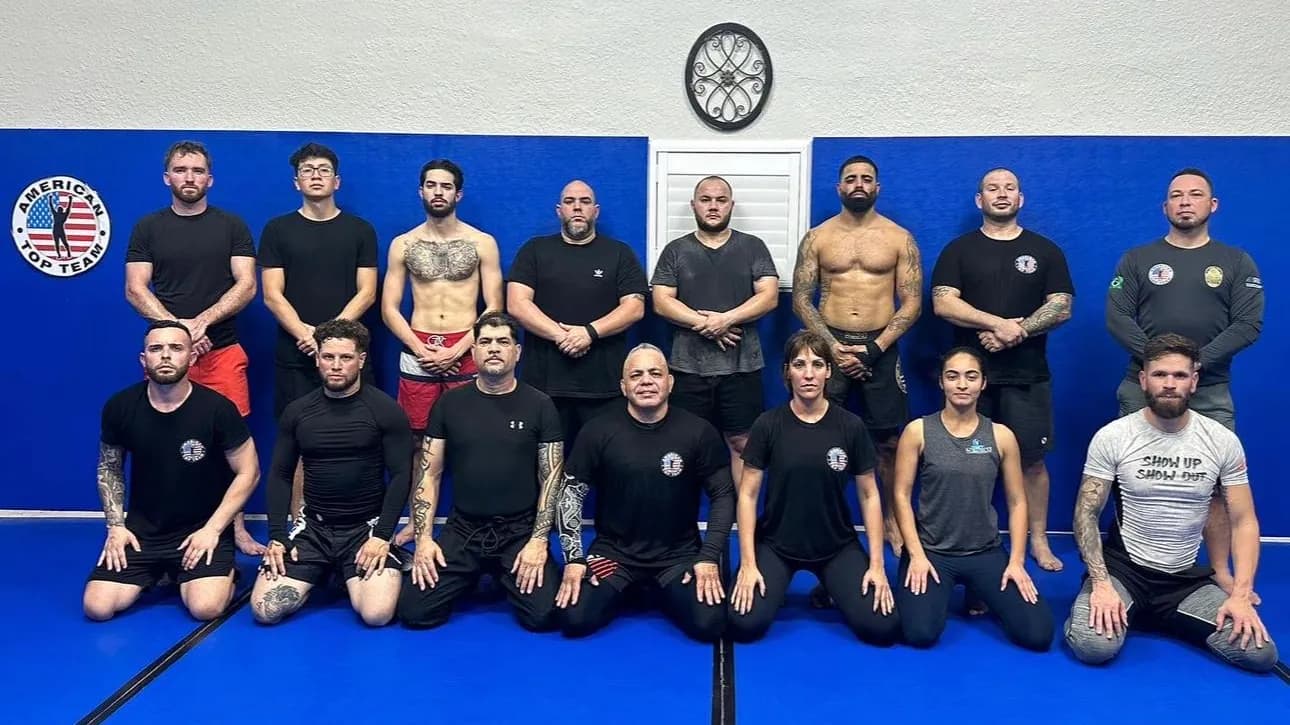
ATT Fort Myers Team Hardoy is a Brazilian Jiu-Jitsu academy at 3591-3595 Fowler St in Fort Myers, led by head instructor Master Willy (Guillermo) Hardoy, a BJJ black belt 4th degree from American Top Team Florida. Classes are built for men, women, and kids, and the school is a short drive for families coming from Cape Coral and the rest of Lee County.
The academy's grand opening is expected in approximately 30 days. Until then, training is exclusively for returning students and invited guests, and adult, women-only, and children's class schedules will be announced soon.
The simplest way to be first in line for your first class is to join the Grand Opening List on WhatsApp at (239) 475-7105, or through the trial class page on this site. You will hear as soon as classes open, and you can ask any beginner questions directly before you step on the mat.
Frequently asked questions
- Is jiu-jitsu good for complete beginners?
- Yes. Brazilian Jiu-Jitsu is taught step by step, and most students start with no martial arts background at all. Beginners learn basic positions and movement first, and live training is introduced gradually based on the instructor's judgment.
- What should I wear to my first BJJ class?
- Comfortable, fitted athletic clothing without zippers or pockets is usually fine for a first visit, such as a t-shirt or rash guard with athletic shorts or leggings. Remove all jewelry and bring sandals for walking off the mat.
- Do I need to be in shape to start jiu-jitsu?
- No. Most people build their conditioning through training rather than before it. In a first class you set your own pace, and taking a break when you need one is normal.
- Will I have to spar in my first class?
- Not necessarily. Many schools let first-timers watch live rounds, do light positional drills instead, or roll gently with an experienced partner. If you prefer to sit out, just tell the instructor.
- How do I join a beginner jiu-jitsu class in Fort Myers?
- ATT Fort Myers Team Hardoy expects to open in approximately 30 days. Until then, training is exclusively for returning students and invited guests. Join the Grand Opening List on WhatsApp at (239) 475-7105 or through the trial class page, and you will be notified as soon as classes open.
Keep going
Related services
Serving
Found this helpful? Make us a preferred source on Google.
Ready to step on the mat?
ATT Fort Myers Team Hardoy opens in Fort Myers soon. Join the grand opening list on WhatsApp and we will let you know as soon as classes open.