
Self-Defense Classes: What Actually Works (and What to Avoid)
· By Master Willy (Guillermo) Hardoy
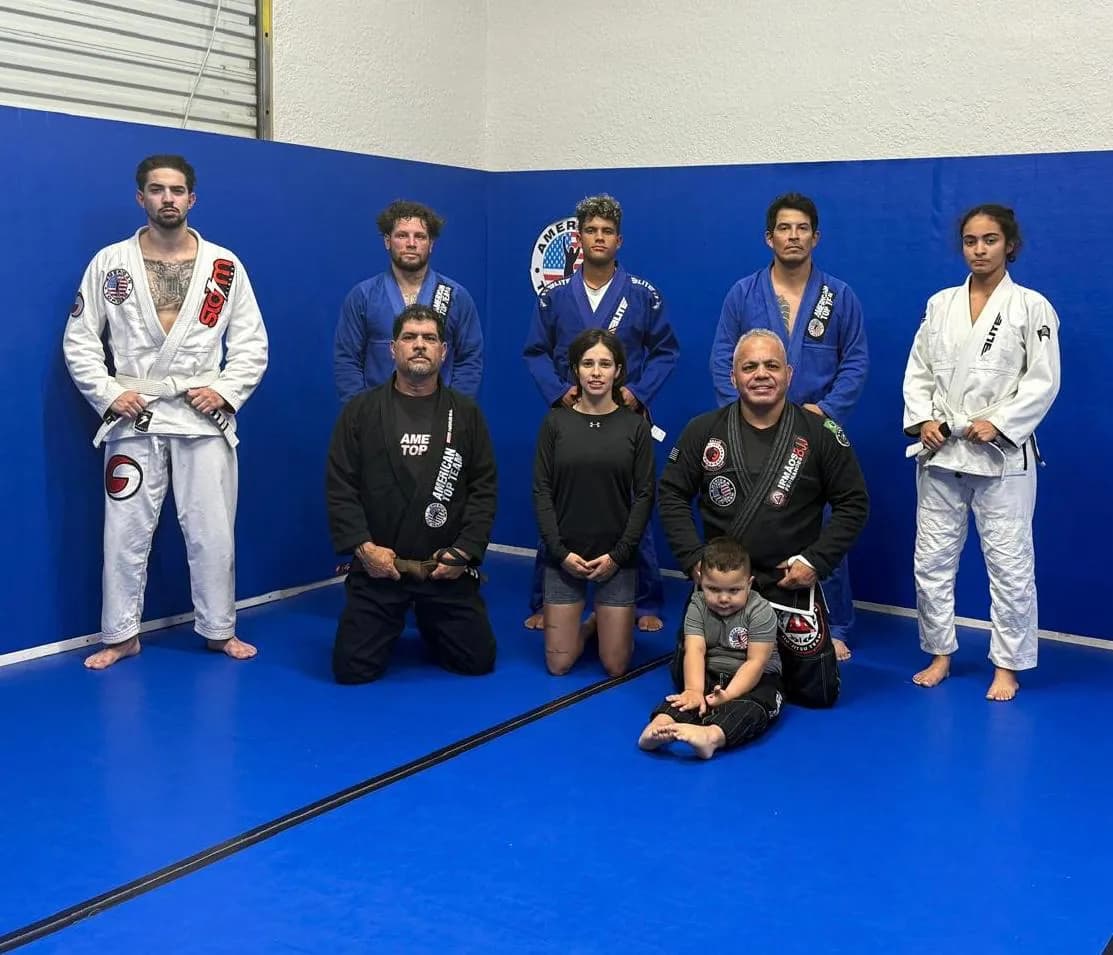
Search "self defense classes near me" and you will get two very different kinds of results. One is a single afternoon seminar, usually a few hours long, where an instructor shows a handful of moves against common grabs and sends everyone home with a certificate. The other is ongoing training, several times a week, where you practice against a partner who is actually trying to stop you. Both get marketed the same way. They do not produce the same result.
This matters because the whole point of self-defense is that it has to work when you are scared, when the other person is bigger or stronger, and when nothing is scripted. A technique you watched once and never tested under pressure is a guess, not a skill. This guide walks through what tends to hold up, what to be skeptical of, and what a women's self-defense class should actually cover without leaning on fear to sell it.
None of this is legal advice. Self-defense laws, including what counts as reasonable force, vary by state, and Florida's statutes are specific. If that matters to your situation, read the actual law or talk to an attorney rather than relying on anything taught in a class.
One seminar vs. ongoing training: why the difference matters
A one-time seminar can be a decent introduction. It raises awareness, shows a few basic concepts, and is often better than nothing. But a few hours of watching and lightly drilling moves does not build the kind of reaction that shows up automatically when you are startled, grabbed, or scared. That takes repetition over months, not an afternoon.
Ongoing training works differently. You see the same situations over and over, your body starts to respond without you having to think through steps, and an instructor can correct the small mistakes that only show up once you are moving against a live partner. If a class only offers one-off events with no path to keep training and improve, it is a starting point at best, not a plan.
Why live resistance ("aliveness") is the real test
There is a simple way to tell if training will hold up: does anyone in the room resist you for real? Training where a partner stands still, or moves exactly how the technique expects, teaches you a sequence of motions. It does not teach you what happens when someone fights back, changes position, or is bigger than you.
Classes that include live, resisting practice (often called sparring, rolling, or "aliveness" training) are forcing students to solve a moving problem over and over. That is a very different skill than memorizing a response to a scripted attack. It is also uncomfortable at first, which is honestly a feature: it is better to feel that discomfort in a controlled class than for the first time in a real situation.
Most real altercations end up clinched or on the ground
A lot of self-defense marketing focuses on strikes thrown from a distance, which looks good in a demo but does not match how physical confrontations tend to actually unfold. Many altercations, from a grab in a parking lot to a physical confrontation between acquaintances, end up in close contact: a clinch, a grab, often on the ground, often with someone bigger holding top position.
That is exactly the range grappling-based training like Brazilian Jiu-Jitsu is built around. BJJ teaches how to control a larger, stronger person using leverage, positioning, and timing rather than matching strength for strength, and how to work from a disadvantageous position (like being on your back) back to a safer one. It is also one of the only styles that is trained at full speed, with real resistance, every single class, which is the "aliveness" point above in practice.
Awareness and de-escalation come before any technique
Any class that jumps straight to physical moves without talking about avoidance is skipping the most useful part. The best outcome in almost every situation is noticing a problem early, changing your position, your route, or your tone, and leaving before anything physical happens. That is not a weaker version of self-defense. It is the first and most effective layer of it.
A good program talks through reading a situation, setting a verbal boundary, creating distance, and getting to help before it ever gets to contact. The physical skills are the backup plan for when avoidance was not possible, not the headline.
What women's self-defense training should actually cover
Search volume for "women's self defense classes near me" reflects a real and reasonable interest, and the content matters more than the label. Useful training for women tends to focus on a specific, practical set of problems: escaping common grabs and holds, getting back to your feet safely if you end up on the ground, and creating space to get away rather than trying to win a stand-up fight.
It should also build real confidence, not performative confidence. That distinction shows up in training: can you actually get out of a bear hug, a wrist grab, or someone on top of you against a partner who is resisting, or did you just practice it against someone cooperating? Confidence that has been tested against resistance tends to hold up. Confidence from watching a demo does not get tested until it has to.
This is also not about fear-based marketing. The goal of training is capability and calm under pressure, not convincing someone the world is constantly dangerous. A program that leans heavily on scare tactics to sell classes is usually selling urgency, not skill.
Red flags to watch for
A few patterns show up again and again in self-defense programs that do not hold up. No live resistance or sparring at any point is the biggest one; if nobody ever pushes back against you, nobody has actually tested what you learned. "Secret" or "deadly" techniques that supposedly beat any attacker are another, since real skill is built on fundamentals practiced thousands of times, not a hidden move nobody else knows.
Promises of mastery in a weekend, a single certificate, or a handful of sessions are a red flag for the same reason: physical skill under stress takes real time to build, and anyone promising a shortcut is overselling. Watch too for instructors who cannot explain why a technique works against someone bigger or stronger, or who get defensive when asked to demonstrate against a partner who is actually resisting.
What to look for in a school
Look for a school that trains regularly, not just hosts occasional seminars, and that includes live, resisting practice as a normal part of class rather than an advanced option. Ask whether you can watch a class before joining. A legitimate program is comfortable with that; one that is not will usually find a reason to say no.
Ask how the instructor handles size and strength differences, since that is the core problem self-defense is supposed to solve. Also ask what a beginner's first few months actually look like. A clear, honest answer is a good sign. A vague answer focused on how fast you will feel "ready" is not.
Frequently asked questions
- How long before I actually feel capable of defending myself?
- There is no honest single number, and anyone who gives you an exact timeline is guessing. Most people training consistently, a few times a week, start to feel more comfortable with basic escapes and positioning within a few months, and that confidence keeps building the longer they train. It is a gradual process built on repetition, not a milestone you hit on a set day.
- Do I need to be in shape before starting?
- No. Most people who start self-defense or Brazilian Jiu-Jitsu training are not in great shape when they begin, and conditioning improves naturally as a side effect of training regularly. A good instructor adjusts pace for a beginner's current fitness level rather than expecting you to arrive ready.
- Is a one-day self-defense seminar worth attending?
- It can be a reasonable introduction and is generally better than doing nothing, since it raises awareness of common situations and a few basic responses. The limitation is that a few hours is not enough time to build a reaction that holds up under real stress. Treat a seminar as a starting point, not a finished skill set.
- Why does grappling or Brazilian Jiu-Jitsu come up so much in self-defense discussions?
- Because a large share of real physical confrontations end up at close range, in a clinch or on the ground, rather than at striking distance. Grappling is specifically built around controlling a bigger or stronger person using leverage and positioning instead of matching their strength, which is exactly the problem most people are worried about when they look into self-defense.
- What should a women's self-defense class focus on?
- The most useful focus is practical: escaping common grabs and holds, getting back up safely if you end up on the ground, and creating distance to get away. It should also be tested against a partner who actually resists, not just walked through step by step, since that is what makes the skill reliable under pressure rather than just familiar.
- Can kids benefit from this kind of training too?
- Many parents look into martial arts training for kids specifically around confidence and handling bullying situations, not just physical technique. Age-appropriate training that builds composure, boundary-setting, and basic control can carry over well beyond the mat, though what is appropriate depends on the child's age and the specific program.
Keep going
Related services
Serving
Found this helpful? Make us a preferred source on Google.
Ready to step on the mat?
Book a trial class in Fort Myers. No experience needed, just tell us your program and the best time to come.